Persian & Oriental Rug Restoration · Kent

Specialist colour restoration for rugs worth preserving.

Specialist colour work for fading, dye migration and chemical colour loss. George assesses the rug’s condition and value before recommending restoration.

Free photo assessment · Fixed quotation before collection or shipping · Off-site specialist work

No photos ready? Tell George what has happened.

  • Specialist-trained in rug colour restoration
  • Suitability and risk assessed first
  • Kent collection arranged within the quotation
  • Outside-Kent enquiries by prior agreement
The Carpet Dye Guy logo
The Carpet Dye Guy · Specialist colour services

TrainedSpecialist rug colour-restoration knowledge

TestedFibre, dye and condition assessed before treatment

Off siteDetailed work completed in a controlled setting

HonestUnsuitable or uneconomical work may be declined

FixedQuotation agreed before logistics are arranged

Professional reference

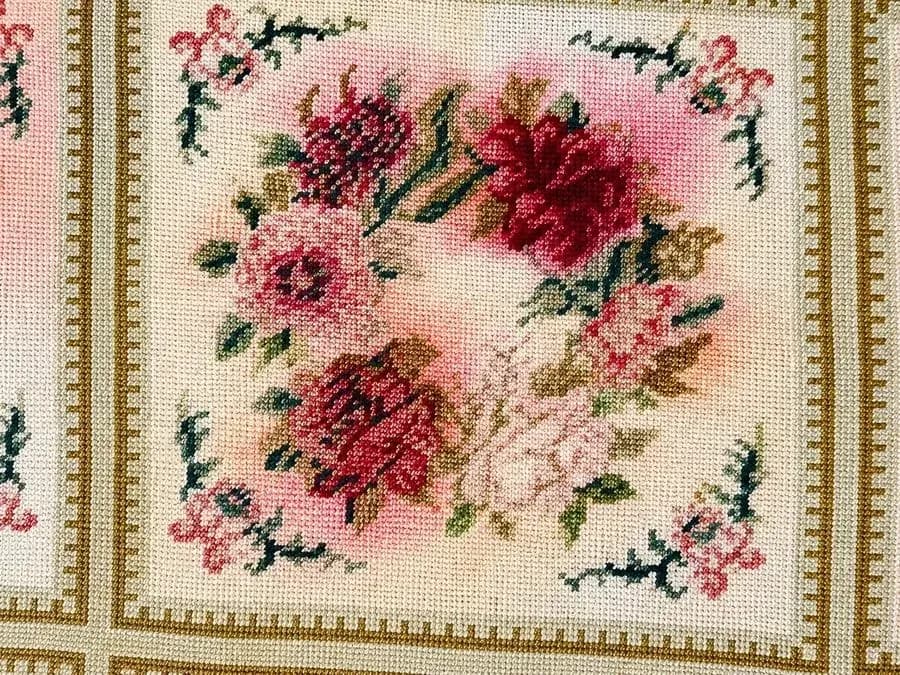
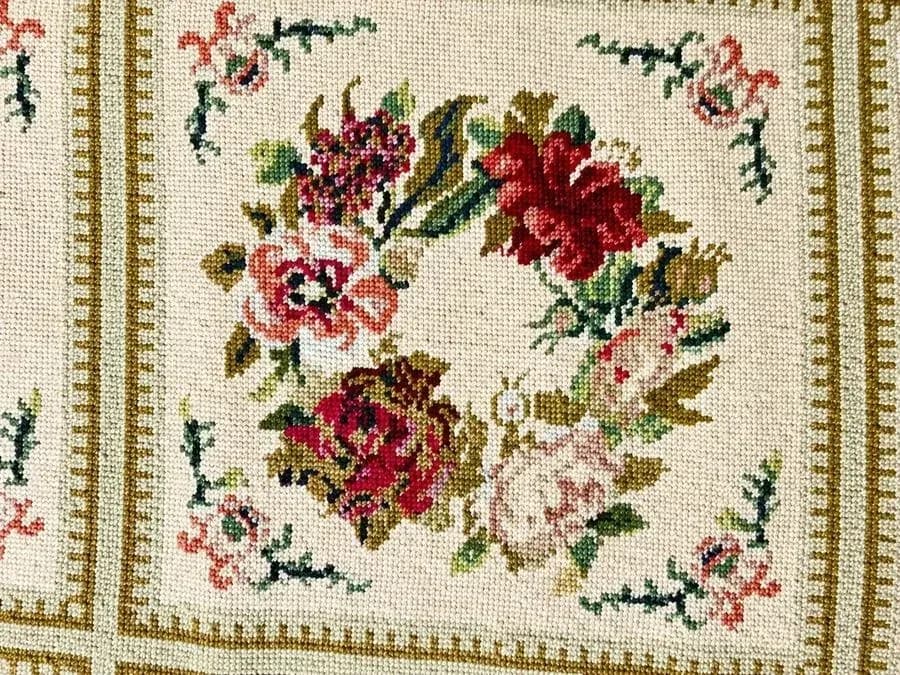
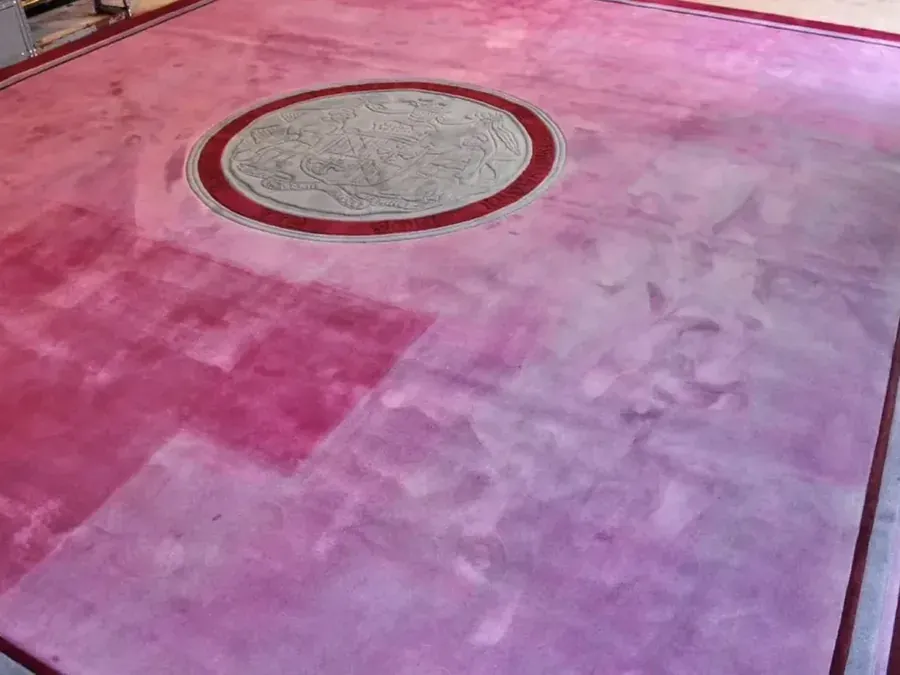
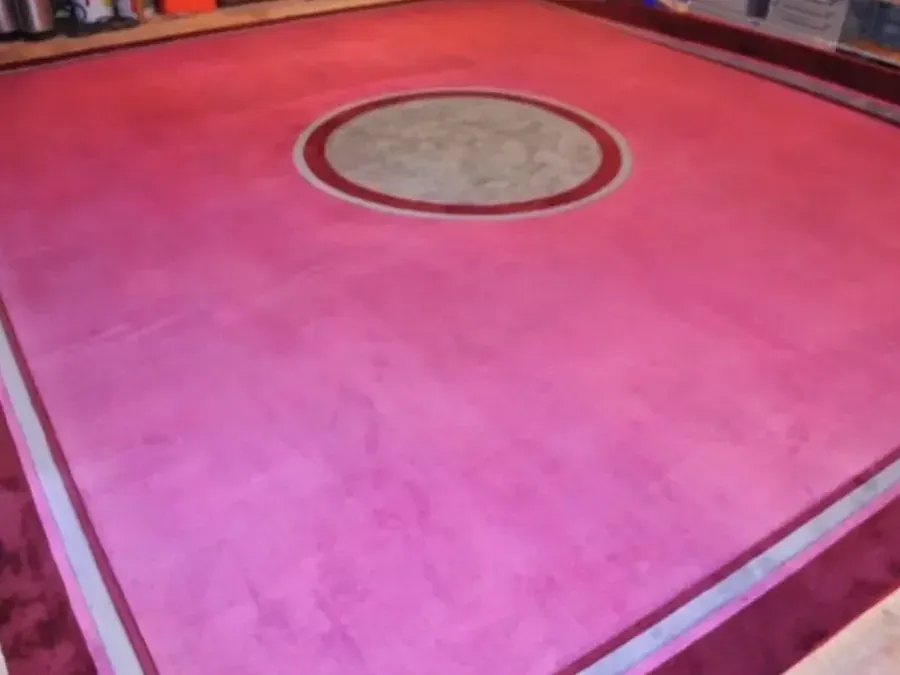
Dye-bleed correction on a floral needlepoint rug

An attributed reference showing the type of improvement specialist dye-bleed correction may achieve on a suitable piece.
BeforeFloral needlepoint rug with pink dye bleed across the pale background before professional correction
AfterFloral needlepoint rug after professional correction of dye bleed in the pale background

The pale background of this floral needlepoint rug had developed a widespread pink cast from migrated colour. The reference photographs show the background after professional correction while the floral pattern remains defined.

The result illustrates what specialist correction may sometimes achieve, but it is not a promise for a different rug. Suitability and the likely outcome must be assessed for the individual piece.

Reference work by Chris Howell, Colorful Carpets — used with express permission.

George Stevens, The Carpet Dye Guy

About George

A careful decision before any colour is added

Persian and Oriental rug colour work combines fibre and dye assessment with close colour matching across patterns that may contain several separate tones. The age or label of a rug does not, by itself, make treatment safe.

George has completed specialist rug colour-restoration training and handles every enquiry personally. He starts with photographs and the rug’s history, then confirms suitability through an in-person inspection and testing before treatment.

He will also say when the responsible answer is not to proceed—particularly where condition, financial value, provenance or uncertain dyes make the risk greater than the likely benefit.

George Stevens · The Carpet Dye Guy

Common problems

Colour problems George can assess

These are possible colour-restoration enquiries, not a promise that every affected rug can or should be treated.

Sun fading and UV exposure

Colour can fade unevenly where part of a rug receives sustained sunlight while protected areas retain more of their earlier tone.

Dye bleed and colour migration

Moisture or unsuitable cleaning can allow darker colour to move into pale pattern areas. Correction depends on the fibre and severity.

Uneven traffic fading

A central walkway can lose colour differently from edges beneath furniture, leaving a visibly inconsistent field.

Water-related colour change

Leaks, flooding or poor drying can leave migration, tide marks or patchy colour that cleaning alone may not resolve.

Bleach and chemical colour loss

Oxidising or aggressive products may remove or alter original colour. Reintroducing colour is considered only where the fibre remains suitable.

Localised pattern-colour loss

Individual colour zones or sections of a border may need separate matching rather than one uniform colour across the whole rug.

Rug types

Rugs considered for colour restoration

Suitability depends on fibre, construction, dye, condition and value—not just the rug’s country or style name.

Persian rugs

Hand-knotted and other Persian rugs vary widely in fibre, age, dye and condition, so the name alone never confirms suitability.

Individually assessed

Oriental rugs

Afghan, Turkish, Chinese, Indian and other patterned rugs may be considered following a construction and dye assessment.

Individually assessed

Wool rugs

Wool can be a practical candidate for colour work, but existing dye stability and physical condition still have to be tested.

Often the strongest candidate

Modern patterned rugs

Some machine-made rugs are technically suitable, although detailed restoration may cost more than replacement.

Value considered as well as fibre

Viscose and silk-effect rugs

These fibres can be vulnerable to moisture, abrasion and chemistry. Work is considered cautiously and may be declined.

Higher-risk assessment

Antique and collectable rugs

Independent valuation or conservation advice may be appropriate before any treatment is authorised.

Special caution required

Restoration or replacement?

Start with suitability and value—not a sales answer

Colour restoration can preserve an important rug, but it is not automatically the sensible choice for every piece.

Keep the original piece

Restoration may preserve a rug with sentimental importance, provenance or a design that would be difficult to replace.

Compare value honestly

For a lower-priced modern rug, detailed colour work may not make financial sense. George will say so during assessment.

Consider the whole condition

Colour work cannot repair worn knots, missing pile, moth damage or failed foundations. Those issues may change the decision.

Reduce repeat fading

After restoration, placement, daylight control and rotation still matter. Colour work does not make a rug immune to future UV exposure.

The process

From first photographs to agreed return

The detailed method is adapted to the individual rug. Nothing is collected or shipped until the initial assessment, quotation and arrangements are agreed.
1

Photographs and rug history

Send the full rug in natural light, close-ups of the affected areas, front and back details where practical, approximate size and anything known about age, fibre, origin or previous treatment.

2

Initial suitability discussion

George explains whether colour restoration appears technically and economically worth exploring, including visible limitations. A fixed quotation is provided before logistics are arranged.

3

Collection or insured shipping

Suitable Kent collection and return are included within the agreed quotation. Rugs from farther away are accepted only by prior arrangement using an appropriately tracked and insured courier.

4

In-person assessment and treatment

The rug is inspected and tested off site. George confirms the treatment plan, uses protected reference colour where available and works only within the limits supported by the rug.

5

Inspection and agreed return

The completed work is checked in suitable light and the rug is returned or shipped as agreed. Payment remains due in accordance with the final terms for the job.

Investment

What affects the cost of rug colour restoration?

This is detailed, individually scoped work. George provides a fixed quotation before collection or shipping is arranged.

Rug size and handling

Larger or heavier rugs require more workspace, handling, treatment and return arrangements.

Number of colours and pattern detail

Several defined colour zones are a different scope from one broad field with a reliable reference tone.

Extent and cause of colour change

Contained fading, widespread UV loss, dye bleed and chemical damage each present different challenges.

Fibre, construction and condition

Wool, silk, viscose, machine construction, hand knotting and physical wear influence suitability and risk.

Testing and previous treatment

Uncertain dyes, prior washing, cleaning products or earlier repairs can require more cautious assessment.

Collection or shipping

Kent logistics or insured courier arrangements are agreed and included clearly in the fixed quotation before the rug moves.

How pricing works

Send natural-light photographs of the full rug and affected areas, plus its approximate size and any known history. George assesses the likely scope and provides a fixed quotation, subject to the in-person inspection confirming suitability.
Get a free assessment

Honest expectations

What to know before colour restoration

A natural visual match—not a laboratory promise

Old dyes, changing pile direction and viewing light affect how colour appears. The aim is a balanced result appropriate to the existing rug.

Extensive work takes time

Large faded fields and multi-colour patterns require more assessment and treatment than a contained area. Timescale is agreed with the quotation.

Colour cannot replace missing fibre

Moth damage, worn-through pile, fraying and structural problems remain visible unless separately repaired by an appropriate specialist.

Some rugs should remain untreated

Where age, value, condition or uncertain dyes create an unacceptable risk, declining the work can be the responsible recommendation.

Clear boundaries

Colour restoration is one part of rug care

Using the right service protects the rug and keeps expectations realistic.

Colour restoration

The service focuses on rebuilding or correcting colour in suitable fibres after fading, migration or chemical colour change.

Not general rug cleaning

Soiling and colour loss are different problems. Cleaning needs its own fibre, dye-stability and construction assessment.

Not structural or fringe repair

Moth damage, broken foundations, worn-through pile, tears and damaged fringes require appropriate rug-repair expertise.

Not conservation or valuation

George does not provide formal valuations or museum-level conservation advice. Important pieces may need an independent specialist first.

Free assessment

Send the full rug—not just the faded patch

Include natural-light views of the complete rug, close-ups of the affected colours and any protected area that may show an earlier tone. George will explain whether further assessment appears worthwhile.

Common questions

Questions about Persian and Oriental rug colour restoration

Straight answers about fading, dye bleed, antiques, off-site treatment, courier arrangements, suitability and cost.
Can a faded Persian rug be restored to its original colours?

Some suitable rugs can have faded colour rebuilt to sit naturally with the better-preserved areas, but an exact recreation of an old original dye cannot be guaranteed. The achievable match depends on fibre, construction, existing dyes, condition and the amount of reliable reference colour still present. George assesses photographs first and confirms suitability after inspecting the rug in person.

Why do Persian and Oriental rugs fade?

Sunlight and long-term artificial-light exposure can gradually reduce colour, often unevenly where one area receives more light than another. Wear, age, water incidents and unsuitable cleaning products can also alter colour. Identifying the likely cause helps distinguish restoration from cleaning or structural work.

What causes dye bleed in a patterned rug?

Dye bleed occurs when colour migrates from one area into another, often following moisture, unsuitable chemistry or inadequate control during cleaning or drying. Whether it can be corrected depends on the fibres, dyes, severity and any earlier treatment. A photograph can indicate the issue, but in-person testing is required before work proceeds.

Where is the rug restoration carried out?

Colour restoration is carried out off site. For suitable Kent jobs, George can arrange collection and return as part of the quotation. Outside Kent, a rug may be accepted by prior agreement using an appropriately tracked and insured courier at the customer’s expense. Nothing should be sent until George has reviewed the photographs and confirmed the arrangements in writing.

How is colour restoration different from painting a rug?

This service uses dye selected and applied for the fibre rather than an opaque coating left on top of the pile. Suitability, testing and fixation still matter, and no treatment is assumed safe for a particular rug until it has been assessed. George will not proceed if a responsible colour-restoration result is unlikely.

Is colour restoration suitable for antique or high-value rugs?

Not automatically. Age, condition, provenance and previous work can make intervention inappropriate. If a rug may have significant financial, historical or collector value, obtain independent advice from an appropriately qualified rug conservator or valuer before authorising treatment. George may decline colour work where the risk appears greater than the likely benefit.

What types of rug can George assess?

Enquiries can include Persian, Oriental, wool and modern patterned rugs. Wool is often a more practical candidate than viscose, silk-effect or pure silk, but construction, existing dye and condition remain decisive. Moth damage, worn pile, damaged fringes and structural problems require separate expertise and are not repaired by adding colour.

How much does rug colour restoration cost?

Every rug is priced individually. Size, fibre, construction, number of colours, pattern detail, fading, contamination, testing, handling and collection or shipping all affect the work. George provides a fixed quotation before collection or shipping is arranged, subject to the in-person inspection confirming the information visible in the photographs.

How do I decide whether my rug is worth restoring?

The decision may involve replacement cost, provenance, sentimental importance, condition and the likely restoration result. Detailed colour work can exceed the replacement cost of a lower-priced rug, while preserving a distinctive or personally important piece may still be worthwhile. George explains the likely scope honestly but does not provide formal valuations.


Still unsure? Ask George directly →

Collection and shipping

Kent collection, with wider UK enquiries by arrangement

Kent collection and return

George is based in Sittingbourne. For suitable jobs within Kent, collection and return are arranged and included clearly within the fixed quotation.

MaidstoneSittingbourneCanterburyAshfordSevenoaksTunbridge WellsMedwayFavershamFolkestoneDover

Elsewhere in the UK

Rugs may be accepted by prior written arrangement after assessment. Appropriately tracked and insured outward and return shipping is paid by the customer. Do not send a rug until George has confirmed the address, insurance and arrangements.

Preserve the rug only if restoration is the right answer

Send photographs for an honest initial assessment. George will explain the likely result, risks, cost and logistics before you commit to collection or shipping.